
The Rapid Capture of Mark T.: Lessons from a Cloned Card Heist
A Tampa Bay resident thought cryptocurrency and darknet anonymity would protect him when he bought cloned debit cards in late 2024. Fifteen days after his first ATM withdrawal, federal agents had his face, his wallet history, and enough evidence to secure a five-year prison sentence.
First published: | Last updated: October 9, 2026 | By: Evelyn Hart
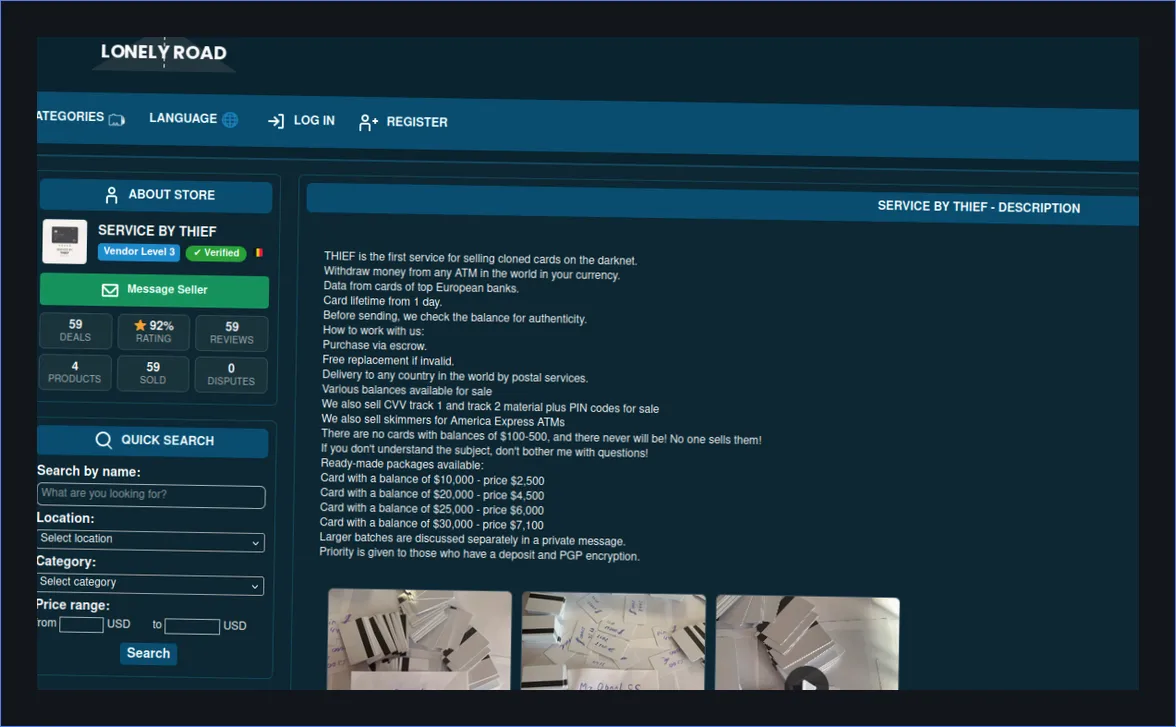
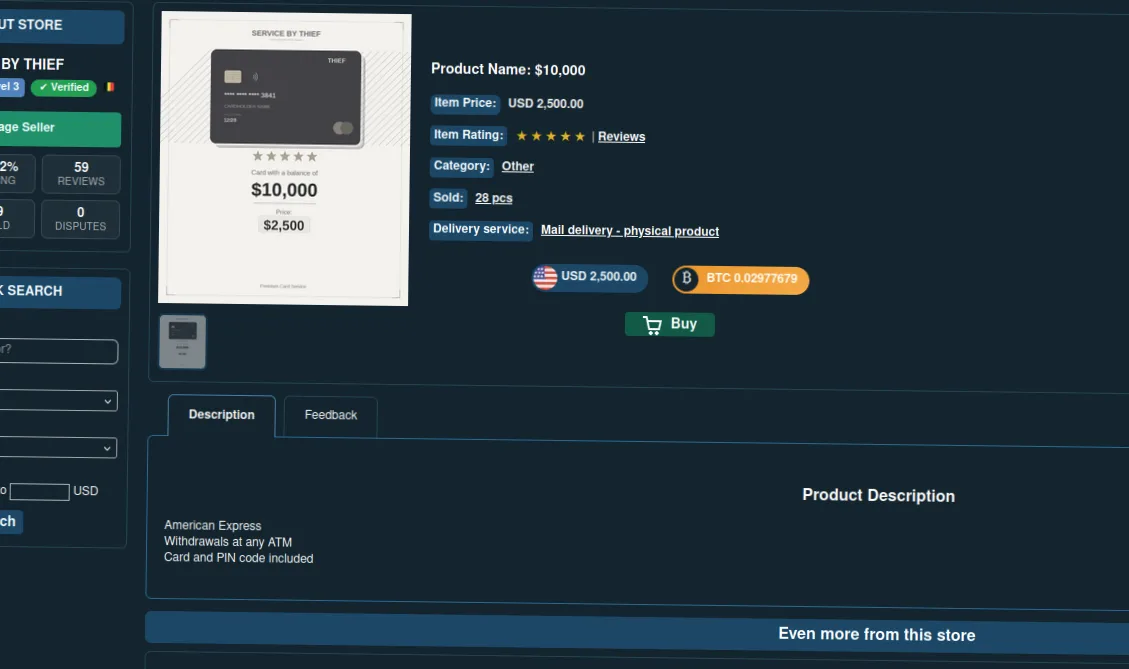
Mark T., age 34, spent $480 in cryptocurrency on six cloned debit cards complete with PIN codes through a darknet marketplace in November 2024. The cards carried stolen magnetic stripe data from legitimate accounts—standard inventory in the carding economy. His first three ATM visits yielded $4,200 in cash. The fourth machine became the end of his brief criminal career.
This account does not aim to teach anyone how to acquire fraudulent cards. Rather, it traces how a seemingly invisible offender became fully visible within seventy-two hours, why ATM surveillance infrastructure outperforms traditional detective work, and how a thread of digital breadcrumbs—from cryptocurrency wallets to Secret Service databases—culminated in sixty months of federal incarceration.
The case illustrates a persistent gap in criminal reasoning: buyers assume darknet transactions insulate them from physical-world consequences. ATMs, however, function as evidence-gathering stations that bridge digital anonymity and physical identity, and that bridge collapses the moment a face appears on camera.
Quick summary
- ATM cameras and transaction logs create a complete evidence chain that links digital crime to physical identity within days
- Cryptocurrency anonymity fails at KYC entry points—centralized exchanges link real identities to blockchain transactions through court orders
- Anti-fraud algorithms detect geographic and temporal patterns automatically, escalating cases before human analysts review them
- Physical evidence—cards, MSR devices, and cash—survives digital operational security and provides prosecution with irrefutable proof
- The final link in carding chains (cash-out operators) assumes the highest arrest risk while marketplace operators remain largely undetected
Understand the carding supply chain
Carding—the trafficking and exploitation of stolen banking credentials—remains one of the most durable forms of cybercrime. Mark's operation followed a textbook sequence.
Criminals harvest magnetic stripe data through skimmers attached to ATMs, shimmer devices inserted into card slots, phishing campaigns, or by purchasing dumps on darknet platforms. Discussions about credit card skimming device detectors and how to tell if a card reader has a skimmer circulate widely on security forums, yet skimmers continue to proliferate. The stolen track 1 and track 2 data contains everything needed to replicate a card's magnetic signature.
Once obtained, this data gets written onto blank plastic using magnetic stripe readers and writers. The fraudster embosses a name, expiration date, and card number to create a convincing physical replica. If the PIN was captured—either through an overlay keypad or a concealed camera—the buyer receives a turnkey instrument for cash withdrawal.
The cash-out phase involves visiting ATMs before victims notice unauthorized transactions and request blocks. Speed matters: the window between purchase and detection determines profit. Finally, criminals launder proceeds by converting cash into cryptocurrency through Bitcoin ATMs or peer-to-peer exchanges, attempting to sever the audit trail.
Mark acquired his cards on a marketplace that will remain unnamed here. Payment was routed through Monero, selected specifically for its resistance to blockchain analysis. The cards arrived via mail in nondescript packaging. Every step appeared successful. Yet this scheme contains a detail buyers consistently underestimate: an ATM is not merely a cash dispenser but a comprehensive evidence collection apparatus.
Recognize what ATMs actually record
Modern ATMs function as multi-sensor surveillance platforms. Almost every machine installed in the past decade includes several recording systems.
A built-in camera aims directly at the customer's face, capturing video at 1080p resolution. Many models incorporate infrared illumination for low-light conditions. A second hidden camera, positioned at a different angle and invisible from the outside, provides redundant coverage. Both cameras timestamp every frame.
Transaction logs record every withdrawal with precision: exact time, amount, card number, ATM identifier, and transaction status. The machine knows its geographic coordinates and transmits them to the bank's central processor. Network logs capture connection metadata, including IP addresses and routing information.
When Mark approached the fourth ATM in a Tampa Bay suburb, the built-in camera recorded his face in full profile. No mask, no glasses, no hat. He withdrew $700, retrieved the card, and left. Twenty-three seconds of footage. That proved sufficient.
Offenders assume darknet anonymity extends to physical interactions. It does not. An ATM represents the point where digital crime materializes into physical action, and at that junction, anonymity ceases to exist. ATM skimmer images and discussions about how to tell if there is a card skimmer focus on protecting customers, but the same camera infrastructure that helps detect skimmers also identifies fraudsters.
Trace the investigation timeline
The case moved with remarkable speed once victims reported unauthorized activity.
Day 1—November 2024: Three account holders in Florida, Georgia, and North Carolina noticed fraudulent withdrawals and contacted their banks. The institutions blocked the cards and forwarded data to the early fraud warning network.
Day 3: Anti-fraud algorithms identified a pattern—withdrawals from a cluster of cloned cards across multiple states within a compressed timeframe. The system automatically escalated the case to the bank's investigation unit.
Day 5: The bank transferred the matter to the U.S. Secret Service, which holds jurisdiction over financial crimes. A Secret Service analyst requested logs and video from all implicated ATMs.
Day 8: Video from the fourth ATM delivered a clear facial image. Cross-referencing with the Florida Department of Public Safety driver's license database produced a match: Mark T., with no prior criminal record. Transaction analysis revealed all withdrawals occurred within a forty-mile radius of his registered address.
Day 12: Investigators secured a warrant for electronic traces—browser history, internet service provider records, and cryptocurrency wallet activity. ISP analysis showed connections to Tor exit nodes during hours consistent with the marketplace purchase. The Monero wallet linked to a marketplace account through a court order served on the exchange where Mark initially purchased Monero.
Day 14: A search warrant was executed at his residence. Agents seized six blank plastic cards, a magnetic stripe read/write device, a laptop with darknet marketplace browsing history and Tor Browser artifacts, $3,200 in cash, and packaging materials from the shipment.
Day 15: Mark was arrested. During questioning, he admitted purchasing the cards and cashing out four of the six. The remaining two failed because banks had already blocked the underlying accounts.
Examine the numbers
Key figures from the prosecution illustrate how quickly law enforcement acted and the severity of penalties imposed.
| Case detail | Figure |
|---|---|
| Combined financial penalties | $22,000 |
| Sum obtained from machines | $4,900 |
| Purchase expense for counterfeits | $480 |
| Federal incarceration period | 60 months |
| Interval between first transaction and detention | 15 |
| Completed ATM transactions | 4 |
| Post-custody supervision term | 3 years |
The ratio of profit to punishment is instructive. Mark netted approximately $4,400 after subtracting his initial investment. That sum purchased five years of incarceration and a $22,000 financial penalty—a cost-benefit calculation that makes no rational sense.
Identify why cryptocurrency failed as protection
Mark paid for the cloned cards using Monero, a cryptocurrency engineered for transaction privacy. The blockchain obfuscates sender, receiver, and amount. Yet investigators still reconstructed the chain.
The entry point proved vulnerable. To acquire Monero, Mark used a centralized exchange requiring Know Your Customer verification—passport upload and selfie. Under court order, the exchange disclosed his identity and transaction history. While subsequent Monero movements resist tracing, the fact of purchase on a specific date in a specific amount became evidentiary.
The temporal correlation strengthened the case. Monero purchase, marketplace transaction, card delivery, and ATM withdrawals all occurred within fourteen days. This clustering of events formed circumstantial but compelling evidence.
Physical artifacts eliminated ambiguity. The cards recovered during the search contained magnetic stripe data matching dumps stolen from actual victims. This direct physical evidence cannot be laundered through any cryptocurrency protocol.
Video footage provided irrefutable identification. Even if every other element had been executed flawlessly, the ATM camera alone tied Mark to the crime scene. Discussions on card skimming Reddit threads and carding forums dark web often emphasize digital operational security while neglecting physical exposure.
The case demonstrates that credit card skimmer protection and credit card skimmer protector devices matter for consumers, but for criminals, no amount of digital anonymity compensates for physical carelessness. Resources on how to check for credit card skimmers help potential victims, yet the same surveillance infrastructure serves law enforcement.
Catalog the operational failures
Mark's arrest resulted from multiple compounding errors, each magnifying the others.
Geographic concentration. All four ATMs fell within a forty-mile radius of his home address. Anti-fraud systems flag such patterns immediately. Geographic dispersal would have delayed detection, though not prevented it.
Absence of disguise. No mask, sunglasses, or hat. A clear facial image on camera enables instant identification through driver's license databases. Physical anonymity requires deliberate effort.
Centralized exchange for Monero. KYC verification linked his real identity to the cryptocurrency he later used on the marketplace. Peer-to-peer exchanges or Bitcoin ATMs would have provided better separation, though neither is foolproof.
Evidence storage at home. Blank cards, the MSR device, and the laptop with browsing history were all recovered during the search. Digital evidence often survives deletion—Tor Browser leaves traces, and operating system logs can indicate usage patterns.
Cash retention. The $3,200 seized matched denominations dispensed by the ATM. This minor detail reinforced the prosecution's narrative.
Compressed timeline. All withdrawals occurred within two weeks. Spreading them over months might have delayed algorithmic detection, but video evidence would have remained accessible regardless.
Posts about cloned cards Reddit and cf card cloning often circulate on forums, but they rarely address the physical vulnerabilities that dominate real-world enforcement. Card skimming protection and card skimming protector discussions focus on consumer defense, yet the same principles apply in reverse for offenders.
Extract lessons for security professionals
Mark's case offers several insights for those working in cybersecurity and fraud prevention.
Anti-fraud systems represent the first line of defense, often underestimated by criminals. Pattern analysis, geolocation rules, and scoring models operated automatically before human analysts became involved. Banks should continue investing in machine learning models for anomaly detection. The speed of algorithmic response—three days from initial fraud report to escalation—demonstrates the value of automation.
Physical and digital forensics must function in tandem. The critical evidence—ATM video—is a physical medium. Without the digital transaction log, however, the video would be useless: investigators need to know precisely when to extract a frame. Integrating these two investigative domains forms the foundation of successful prosecutions.
Anonymous cryptocurrencies do not guarantee operational security. The entry point into cryptocurrency (a KYC exchange) and the exit point (cash) are two ends of a chain linking digital and physical worlds. As long as KYC requirements exist at major exchanges, complete anonymity remains unattainable.
Customer education remains a weak link. Victims did not notice the fraud immediately. Faster victim reporting leads to faster card blocks, reducing the window for fraudulent withdrawals. Educational initiatives by financial institutions directly reduce aggregate damage. Resources on credit card skimming protection and how to tell if a card reader has a skimmer should be distributed widely.
The case also underscores the value of surveillance infrastructure. Cameras installed for credit card skimmer detection and customer security serve dual purposes in criminal investigations. Investment in high-resolution cameras with infrared capability pays dividends in both fraud prevention and prosecution.
Review the legal outcome
In March 2025, Mark T. entered a guilty plea to charges of fraud and related activity in connection with access devices under 18 U.S.C. § 1029, along with money laundering charges under 18 U.S.C. § 1957. The U.S. District Court for the Middle District of Florida sentenced him to sixty months in federal prison, followed by three years of supervised release. The court also imposed a fine of $22,000 and ordered restitution to the three victims whose accounts were compromised.
During sentencing, the judge observed that Mark was not the architect of the scheme—he was the purchaser, the final link in the chain. Yet it is precisely this final link that assumes physical risk and receives physical punishment. The organizers higher in the supply chain more frequently remain unidentified, presenting a separate challenge that law enforcement addresses with less immediate success.
The case highlights an asymmetry in carding operations: those who operate marketplaces and sell dumps face lower risk of arrest than those who attempt to cash out. The physical act of withdrawal creates evidentiary exposure that digital transactions do not. This asymmetry explains why marketplaces continue to operate while individual buyers cycle through the criminal justice system.
Assess the broader implications
Mark T.'s case demonstrates that the infrastructure protecting consumers from card skimming—cameras, transaction logs, anti-fraud algorithms—also serves as a comprehensive evidence-collection system targeting criminals. The same resources individuals consult about credit card skimming device detectors or how to check for credit card skimmers form part of a broader security apparatus that extends far beyond consumer protection.
The lesson for security professionals is clear: physical and digital security must be understood as integrated systems. For those tempted by carding schemes advertised on forums or marketplaces, the lesson is equally clear: anonymity ends the moment a face appears on camera, and no cryptocurrency can erase that moment. The website where the purchase was made may have seemed secure, but the ATM where the cash was withdrawn was anything but.
Fifteen days from first withdrawal to arrest. Five years from arrest to release. The mathematics of risk versus reward in carding operations consistently favor the house—in this case, the federal prison system.